Join us as we Move for More this October in support of Suicide Prevention Australia. Find out more at Aurora Move for More
Trauma and Complex Injury Rehabilitation
Specialist trauma and complex injury rehabilitation in Sydney. Advanced rehabilitation technology, multidisciplinary care and personalised recovery programs following severe injury, trauma, brain injury and complex conditions.
Specialist Rehabilitation Following Severe Injury
Recovering from a severe injury can be a complex journey that affects every aspect of life, from physical function and mobility to emotional wellbeing and independence. Specialist rehabilitation plays a vital role in helping people regain abilities, rebuild confidence and maximise recovery following serious trauma.
At Westmead Rehabilitation Hospital, we provide comprehensive rehabilitation programs for people recovering from traumatic injuries and complex medical conditions. Our highly experienced multidisciplinary team delivers personalised rehabilitation designed to support each patient's unique goals, circumstances and recovery pathway.
With access to advanced rehabilitation technologies, specialised therapy programs and expert clinical care, we help patients achieve the best possible outcomes following severe injury.
Comprehensive Rehabilitation After Trauma
Traumatic injuries often require specialist rehabilitation to address both the physical and psychological impacts of injury.
We support patients recovering from a variety of traumatic injuries, including:
- Multiple trauma injuries
- Orthopaedic trauma
- Complex fractures
- Spinal injuries
- Neurological trauma
- Brain injuries
- Motor vehicle accident injuries
- Workplace injuries
- Complex medical and rehabilitation presentations
Our rehabilitation programs are individually tailored to support recovery, restore function and promote independence.
Personalised Multidisciplinary Care
At Westmead Rehabilitation Hospital, rehabilitation is delivered through a coordinated multidisciplinary approach.
Depending on an individual's needs, care may involve:
- Rehabilitation Physicians
- Physiotherapists
- Occupational Therapists
- Speech Pathologists
- Dietitians
- Nursing Staff
- Allied Health Clinicians
- Psychological Support Services
Our team works collaboratively to develop personalised treatment plans focused on helping patients regain function, improve mobility and safely return to daily life.
Advanced Rehabilitation Technology
Westmead Rehabilitation Hospital is equipped with innovative rehabilitation technologies designed to support recovery following trauma and complex injury.
Our rehabilitation programs incorporate robotic-assisted therapy devices, specialised software and digital rehabilitation applications that promote physical and cognitive engagement.
These advanced therapy tools may support:
- Mobility and gait retraining
- Upper and lower limb rehabilitation
- Strength and endurance
- Balance and coordination
- Functional movement practice
- Cognitive rehabilitation
By combining technology with expert clinical care, we deliver rehabilitation programs tailored to each patient's recovery goals.
Expertise in Complex and Dual-Diagnosis Rehabilitation
Our clinicians have particular expertise in managing patients with complex rehabilitation needs, including those with multiple injuries, co-existing medical conditions or dual diagnoses.
We understand that recovery is rarely straightforward following severe trauma. Our team is experienced in supporting patients who require coordinated care across multiple clinical disciplines, ensuring every aspect of recovery is addressed through an integrated treatment approach.
State-of-the-Art Rehabilitation Facilities
Patients benefit from access to our purpose-built rehabilitation facilities, including:
- Fully equipped rehabilitation gymnasium
- Advanced therapy technologies
- Multidisciplinary treatment spaces
- Individualised rehabilitation programs
- Comfortable inpatient rehabilitation environment
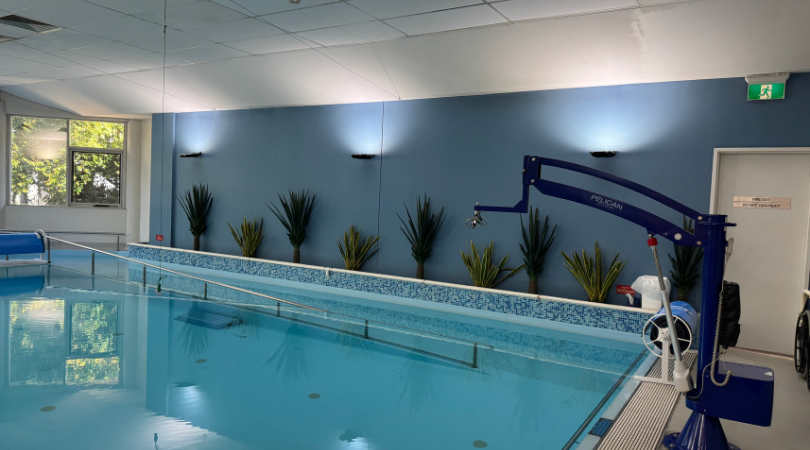
Our facilities are designed to support recovery in a safe, supportive and empowering setting.
Supporting the Whole Recovery Journey
Rehabilitation is about more than recovering from physical injuries. It also involves rebuilding confidence, restoring independence and supporting emotional wellbeing following a traumatic event.
Our team works closely with patients and their support networks to help them navigate the challenges of recovery while developing the skills and strategies needed to return to everyday life.
Referrals and Admissions
Westmead Rehabilitation Hospital accepts referrals from:
- Trauma Surgeons
- Orthopaedic Surgeons
- Rehabilitation Physicians
- Neurologists
- General Practitioners
- Acute Hospital Teams
- Insurers and Case Managers
Patients may be admitted following acute hospital treatment or referred when ongoing rehabilitation support is required.
Frequently Asked Questions
What is trauma rehabilitation?
Trauma rehabilitation is a specialised program designed to help people recover function, mobility, independence and confidence following a serious injury or traumatic event.
Who may benefit from trauma rehabilitation?
People recovering from multiple trauma injuries, complex fractures, spinal injuries, brain injuries, neurological trauma and other severe injuries may benefit from specialist rehabilitation.
What rehabilitation services are available?
Patients may receive physiotherapy, occupational therapy, speech pathology, dietetic support, rehabilitation medicine and other specialised services depending on their needs.
Do you use rehabilitation technology?
Yes. Westmead Rehabilitation Hospital incorporates robotic-assisted therapy devices and other rehabilitation technologies as part of individualised treatment programs where appropriate.
Can rehabilitation help after complex injuries?
Many patients recovering from complex injuries require coordinated multidisciplinary rehabilitation to support recovery and maximise independence.
How do I access the program?
Patients typically require a referral from their treating specialist, GP or acute care team.